Real estate signs are easy to order, but hard to get right when you are rushing. The difference is usually not the print, it is the choices you make before you send the file: the sign type, the size for viewing distance, the right material for how long it will be outside, and the finishing that matches how you will install it. This guide breaks down what to order for listings and open houses in Hamilton and Burlington, plus what to send so you can get a fast, accurate quote.
If your artwork needs cleanup or a quick layout refresh, see Graphic Design. For print ready files, check File Preparation or Contact.
At a glance
- What to order for a typical listing: Main panel plus rider plus a small directional set. This covers the property, the quick update, and the turns people miss.
- Material quick pick: Coroplast for most listings. Aluminum when you want a more premium, longer term sign. PVC for rigid indoor or short outdoor use.
- Finishing that affects install: H stakes for lawns. Grommets when you need to hang or secure. Lamination if you want easier reuse and wipe down. Single or double sided based on visibility.
- Street readability checklist: Big type, fewer words, high contrast, consistent logo placement. Use a QR code only if it leads to one clear action.
- What to send for a fast quote: Quantity, sign types, material, single or double sided, finishing, deadline, and pickup location. Upload a print ready PDF.
The most common real estate sign types
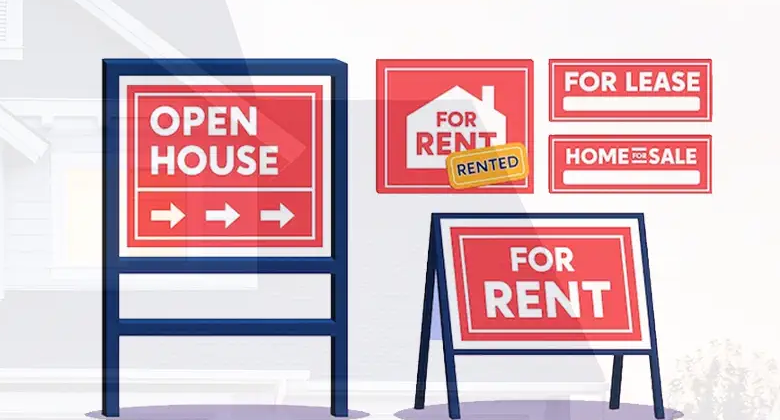
Most agents end up ordering the same small set of sign types over and over. The key is matching the sign to the moment someone sees it.
For sale signs
These are the main listing panels that do the heavy lifting. They need to be readable at a glance and sturdy enough for repeated installs and removals.
If you are ordering multiple listings at once, it helps to standardise your layout and leave space for quick swaps, like riders or updated phone numbers. If you want help bundling and labelling multiple sets for different properties, Kitting can be useful.
Open house signs
Open house signs are typically temporary and time sensitive. They get moved, stored, and reused, so simple and durable usually wins. If you also need matching event materials like handouts or posters for the weekend, Digital and Offset Printing and Large Format Printing cover most needs.
Directional arrow signs
These are meant to be read quickly by drivers. Short copy, high contrast, and a clear arrow beat extra details every time.
Directional signs often work best as a repeatable set you can reuse for every open house. The goal is consistency so you are not redesigning each time.
Riders and add ons
Riders add flexibility without reprinting the main panel. Common examples are “Sold,” “Coming Soon,” “Open House,” or a custom message.
Riders also let you keep branding consistent while changing only what matters for the listing. If you need a clean, consistent finish across the whole set, you can ask about finishing options via Binding when you request your quote (it is not just for books, it is the best place on the site to reference finishing and post production).
A frame signs for showings
A frames are great when you need a portable sign for sidewalks, condo lobbies, or quick directional placement near the property. They are also popular when you want something that feels more “event style” for open houses.
If you are preparing for a bigger event or marketing push, Banners and Displays can be a helpful reference for displays and other large format pieces that pair well with signage.
Request a quote | Upload files | Call
Best sizes for real estate signs
Sizing does not need to be complicated. What matters is viewing distance and how much information you are trying to fit.
A good rule: the main panel should carry only the essentials. Directional signs should be even simpler. Riders should stay short so they do not overpower the main sign.
Main panel vs directional signs
Use a main panel when the sign is meant to identify the property from the street and hold your brand.
Use a smaller directional sign when the sign is guiding people to the property, especially around turns or at intersections. Directional signs perform better when they are quick to read, even if the panel is physically smaller.
Rider sizing guidance
Riders work best when they look like part of the system, not an afterthought. Keep rider copy short and make sure the rider width visually matches the main panel so it feels intentional.
If you are not sure what size to choose, send a photo of where the sign will go (street view or lawn placement) and ask for a recommendation when you Contact the team or Get a Quote for Real Estate Signs.
Quick planning table
| Sign job | What matters most | Common sizing approach |
|---|---|---|
| Listing panel | Street readability and brand | Larger main panel, minimal copy |
| Directional arrow | Instant comprehension | Smaller panel, very few words |
| Rider | Flexible updates | Narrow strip sized to match main panel |
| Open house | Temporary use and speed | Simple layout, easy to reuse |
Before you upload, make sure your logo and fonts will print cleanly. If you want to avoid surprises, follow the basics in File Preparation. If you need help fixing the layout or rebuilding a blurry logo, start with Graphic Design.
Request a quote | Upload files | Call
Materials explained: coroplast vs aluminum vs PVC
Choosing material is mostly about how long you need the sign to last and how it will be used. If you tell us “standard listing,” “premium long term,” or “short run for an open house,” we can point you to the best fit when you Get a Quote for Real Estate Signs.
Coroplast for most listings
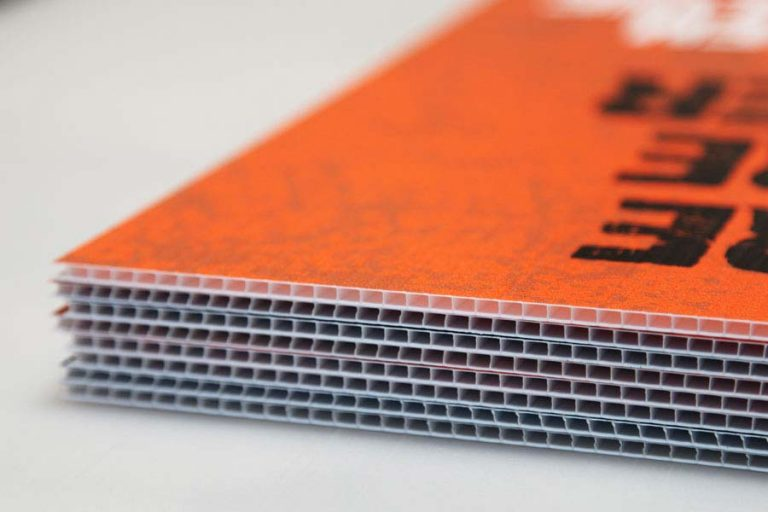
Coroplast is the go to for day to day real estate signs. It is lightweight, practical, and easy to transport and store between listings. It works well when you are ordering multiple panels and want something you can use repeatedly without overthinking it.
If you are ordering batches for several listings at once, consider standardising your layout and letting the address or agent details live in a consistent zone. That makes reorders faster and reduces design mistakes.
If you are unsure how your artwork will print, follow File Preparation before you upload.
Aluminum for premium long term use
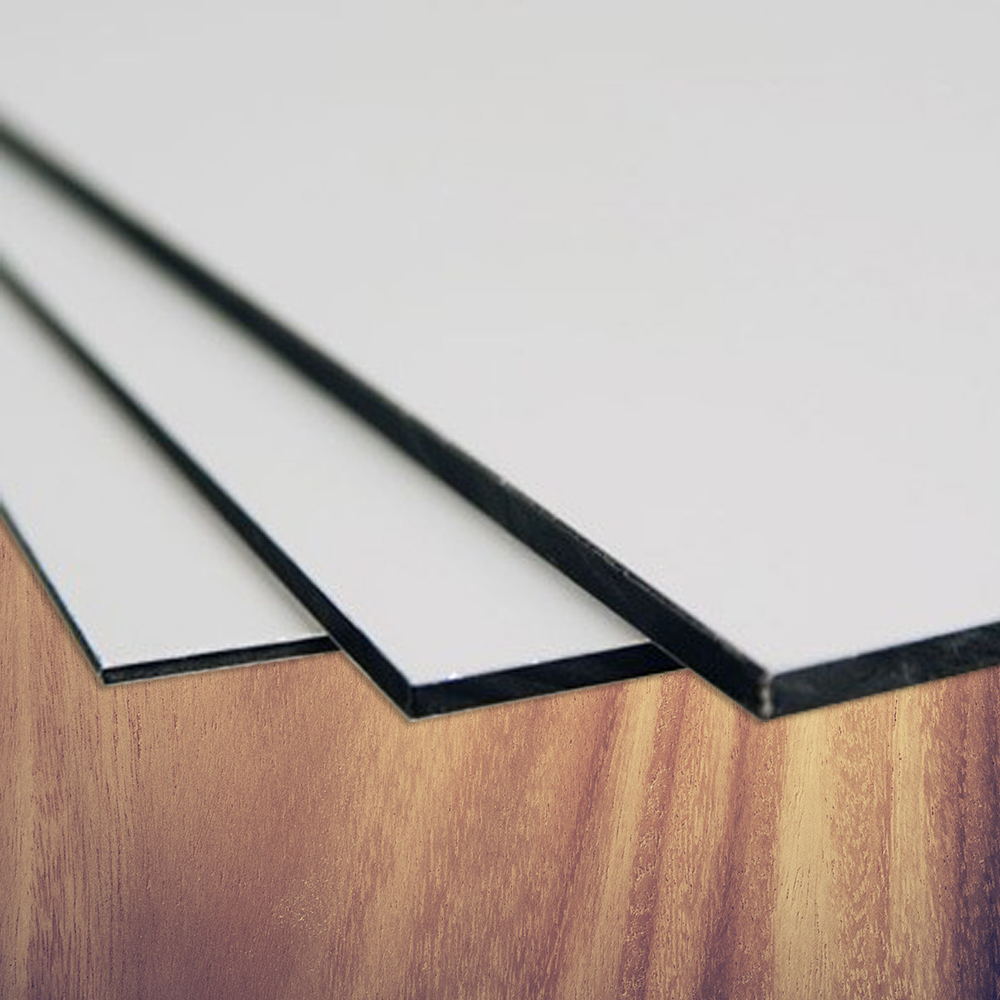
Aluminum is often chosen when you want a more premium feel or a longer term sign solution. It is a good fit for higher visibility placements or situations where you want something that stays rigid and clean looking over time.
If you are building a consistent brand kit for your team and want guidance on how to keep everything uniform, Graphic Design can help keep layouts consistent across sign panels, riders, and directional sets.
PVC for rigid indoor or short outdoor use
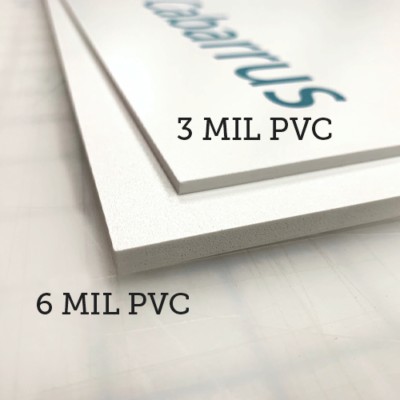
PVC is a rigid board option that can work well for indoor signage or short outdoor windows, depending on the application. It is useful when you need a clean, flat presentation for interiors, lobby signage, or quick installs where rigidity matters more than long term exposure.
If you are pairing boards with posters or handouts for open houses, you can coordinate signage and print pieces through Digital and Offset Printing and Large Format Printing.
Weather and durability notes
Weather matters most when signs are used repeatedly and stored in vehicles. Wind, moisture, and handling can wear down corners and edges over time, especially on reusable sign kits.
If you want a set that is easier to reuse without looking tired, finishing choices like lamination and rounded corners can help. More on that next.
Request a quote | Upload files | Call
Finishing options that matter
Finishing is where a real estate sign goes from “printed” to “ready to install.” It is also where mistakes happen if the hardware and the sign do not match.
If you want help choosing the right finishing for your sign type, send a quick note through Contact with what you are installing and where.
H stakes
H stakes are a common choice for lawn placement. The important thing is making sure the sign and the stake style match, so installation is simple and secure.
When you request a quote, mention whether the sign is going into a lawn, a garden bed, or a more compact space. Placement affects what hardware makes sense.
Grommets
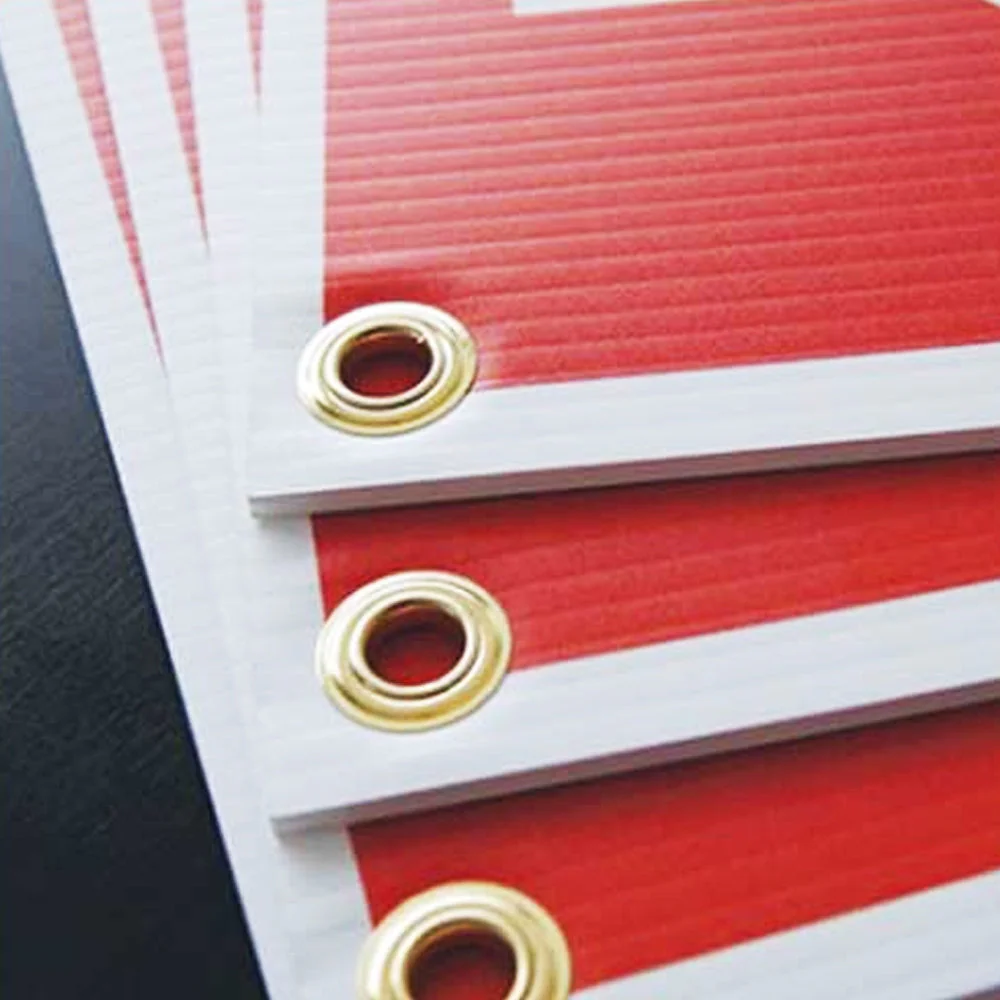
Grommets are used when the sign needs to be hung or tied off, such as on fences or temporary structures. They are also useful when a sign needs to be secured in windy spots.
If you are ordering directional signage for intersections or high traffic areas, mention how you plan to mount it. That helps avoid ordering hardware that does not fit the job.
Lamination
Lamination can add protection for signs that are handled a lot or stored and reused. It can help reduce scuffing and make signs easier to wipe clean after travel and installs.
If you are building a reusable kit for multiple listings, lamination is often one of the first finishing upgrades to consider.
Double sided vs single sided
Single sided is common when the sign is only meant to be read from one direction, like lawn placement facing traffic.
Double sided can make sense when visibility from both directions matters, such as corner lots or certain sidewalk placements. If you are unsure, tell us the placement and we will recommend what makes sense when you Get a Quote for Real Estate Signs.
Rounded corners
Rounded corners can help signs hold up better over time, especially if they are used repeatedly and stored in vehicles. It is a small detail that can reduce corner bending and general wear.
If you want finishing options explained in more detail, use Our Services as a starting point, and for post production and finishing references, see Binding.
Request a quote | Upload files | Call
Design tips that improve readability from the street
Most real estate signs fail for one reason. There is too much going on.
A driver has a second or two to read it. The winning sign is the one that feels obvious at a glance.
Use large type and fewer words
Put the main message first. Usually that is “For Sale” or “Open House,” plus your brand.
If you try to cram in too much detail, everything gets smaller and nothing gets read. Keep extra details for a rider, a flyer box, or your online listing.
Prioritise contrast
High contrast is what makes a sign readable in different light. Bright sun, shade, cloudy days, and headlights all change how colours look.
If your brand colours are low contrast, you can still use them, but keep the text and background easy to separate.
Place your logo where the eye naturally lands
Most people scan top to bottom. Put the primary message in the top third, and your logo and contact info in a consistent spot that repeats across your sign kit.
Consistency matters if you use multiple sign types, because it makes your brand feel familiar from one open house to the next.
If you need help making everything match across panels, riders, and arrows, start with Graphic Design.
QR codes when they actually help
QR codes can be useful when they lead to one clear action, like viewing the listing, booking a showing, or saving the open house details.
They work best when:
- the code is large enough to scan quickly
- there is a short label like “Scan for photos and details”
- you also include a simple backup URL
If you are adding QR codes, make sure the file is print ready and the code is sharp. Use File Preparation before you upload.
Turnaround and what affects it
Turnaround depends on how ready the artwork is, what material you choose, the quantity, and any finishing like lamination, grommets, or double sided printing.
Because timelines can vary, it is best to share your deadline and we will confirm what is realistic.
Artwork ready vs needs design help
If your artwork is print ready, production usually moves faster.
If you need changes like resizing, layout cleanup, or rebuilding a low quality logo, that can add time. If you want help, start with Graphic Design and include what you need changed.
If you are not sure whether your file is print ready, check File Preparation or send it over and ask.
Quantity and finishing
Higher quantities and more finishing steps can affect timeline. The biggest timeline drivers are usually:
- double sided printing
- lamination
- special mounting or grommets
- multiple sign types in one order, like panels plus riders plus directional arrows
If you are ordering a full sign kit for several listings, you can simplify the process by grouping files and labelling them clearly. For bundling and labelling help, Kitting can be relevant.
Pickup in Hamilton or Burlington
You can arrange pickup at either location:
- Print Factory Ink Hamilton: 9 Sterling Street, Hamilton ON L8S 4H6
- Print Factory Ink Burlington: 2 4161 Morris Drive, Burlington ON L7L 5L5
If you already know where you want to pick up, include that in your request through Contact or email when you Get a Quote for Real Estate Signs.
If you want to browse other sign and print options that pair well with open houses and listings, start at Our Services or check Large Format Printing for related pieces.
What to send for a fast quote
If you send the right details up front, you avoid most follow up questions and get an accurate quote faster.
Start with these basics:
Quantity and sign types
Say how many signs you need and what kinds.
For example, “10 for sale panels, 10 riders, and a set of 6 directional arrows.” If you have multiple listings, label each set clearly so nothing gets mixed up.
If you need help grouping, labelling, or packaging multiple address sets, Kitting is worth a look.
Material choice
Tell us the material you want, or tell us how you plan to use it and we will recommend the best fit.
If you are deciding between options, you can reference this guide and then confirm in your quote request.
Single sided or double sided
Mention whether the sign needs to be read from one direction or both. Corner lots and sidewalk placement often benefit from double sided. Standard lawn placement often does not.
Finishing and hardware
Include any finishing that affects production and install, such as H stakes, grommets, lamination, and rounded corners.
If you are unsure what to pick, describe how you plan to mount the sign and where it will sit. You can also reach out through Contact.
Deadline and pickup location
Include the date you need the signs by, and whether you want pickup in Hamilton or Burlington.
- Hamilton: 9 Sterling Street, Hamilton ON L8S 4H6
- Burlington: 2 4161 Morris Drive, Burlington ON L7L 5L5
Upload your files
Before you upload, quickly confirm your file is print ready so text, logos, and QR codes stay sharp. Use File Preparation as your checklist.
Request a quote | Upload files | Call
If you want to explore other related print services, see Our Services or signage and display options in Large Format Printing.
Conclusion
For real estate sign printing, the best results come from keeping the message simple, choosing the right material for how long you need it, and matching finishing to how it will be installed.
If you are ordering for multiple listings, standardising your sign kit saves time on every reorder. And if you are on a deadline, sending complete details upfront is the fastest way to keep production moving.
Get a Quote for Real Estate Signs | Upload files | Call
FAQ
What is the best material for real estate signs in Hamilton and Burlington?
For many day to day listings, coroplast is a practical choice because it is lightweight and easy to transport and store. If you want a more premium, longer term option, aluminum is often considered. If you are not sure, share your use case and timeline when you request a quote.
Should I choose single sided or double sided real estate signs?
Single sided works when the sign is only meant to be read from one direction, like many lawn placements. Double sided can help when visibility from both directions matters, such as corner lots or certain sidewalk placements.
What real estate sign types should I order for a listing and open house?
A common kit includes a main for sale panel, riders for updates like open house or sold, and a small set of directional arrow signs for turns and intersections. Some agents also use A frame signs for sidewalks and showings.
What finishing options matter most for real estate signs?
Finishing depends on how you will install the sign. Common choices include H stakes for lawn placement, grommets for hanging or securing, lamination for protection and reuse, and rounded corners to reduce wear during transport and storage.
How do I make a real estate sign readable from the street?
Keep the message short, use large type, and prioritise contrast. Put the main message first, keep the brand consistent, and avoid too much information on the main panel. If you use a QR code, label it clearly and keep a simple backup URL.
What file format should I upload for real estate sign printing?
A print ready PDF is best. Make sure text and logos are sharp, fonts are embedded, and the layout is final. For quick checks, use the file prep guidelines before uploading.
What affects turnaround for real estate sign printing?
Turnaround depends on whether artwork is ready, quantity, material choice, and finishing like lamination or double sided printing. Share your deadline up front so the team can confirm what is realistic.
What should I include to get a fast quote for real estate signs?
Include quantity, sign types, material, single or double sided, finishing and hardware, deadline, and your preferred pickup location in Hamilton or Burlington. You can email, upload files, or call with those details.