The right binding style affects more than appearance. It changes how a document feels in the hand, how easily it flips on a desk, how well it holds up over time, and whether it feels like a working document or a finished presentation piece. That is why perfect bound vs wire o binding is a real buying decision for spec books, manuals, proposals, and presentation documents. This post follows the outline you shared
If you are comparing binding options for manuals and spec books, the best choice usually comes down to use. If the document needs to feel polished and shelf ready, Perfect Bound often stands out. If it needs to open easily and be handled often, Wire O may be the better fit. If your job includes plans and project manuals together, see architectural drawing and spec book printing as well.
What is Perfect Bound binding?
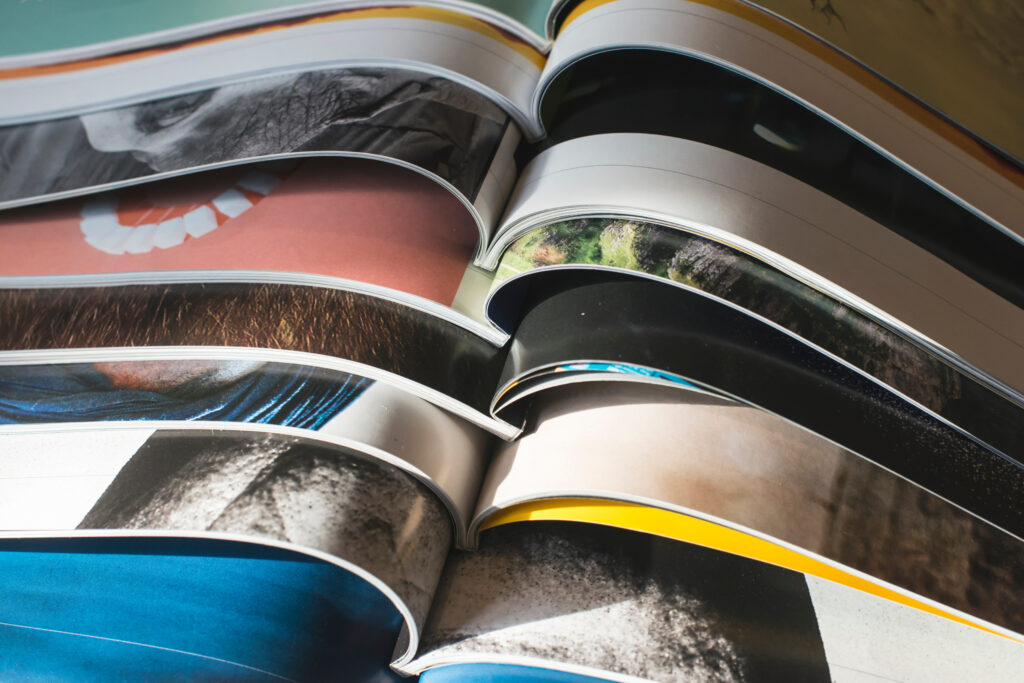
Perfect Bound is the binding style most people associate with paperback books. The pages are gathered together and attached into a glued spine, which creates a clean, square edge.
Why people choose Perfect Bound
The biggest advantage is presentation. Perfect Bound gives a document a finished, professional look. It stacks neatly, stores well on shelves, and feels more like a final deliverable than a working binder.
That makes it a common choice for:
- manuals
- printed guides
- thicker booklets
- client facing reports
- polished presentation documents
If the goal is a document that looks refined and complete, Perfect Bound often makes sense. For a wider overview, read Perfect Binding for Manuals and Spec Books: When to Use It and What to Watch For
What Perfect Bound is best at
Perfect Bound tends to work best when:
- the document is meant to look finished
- the spine appearance matters
- the piece will be stored, handed out, or presented
- the document is not meant to lie flat all day during use
A simple way to think about it:
| Feature | Perfect Bound |
|---|---|
| Look | Clean and professional |
| Spine | Square, shelf friendly |
| Best for | Presentation and polished manuals |
| Lay flat use | Not its strongest point |
What is Wire O binding?
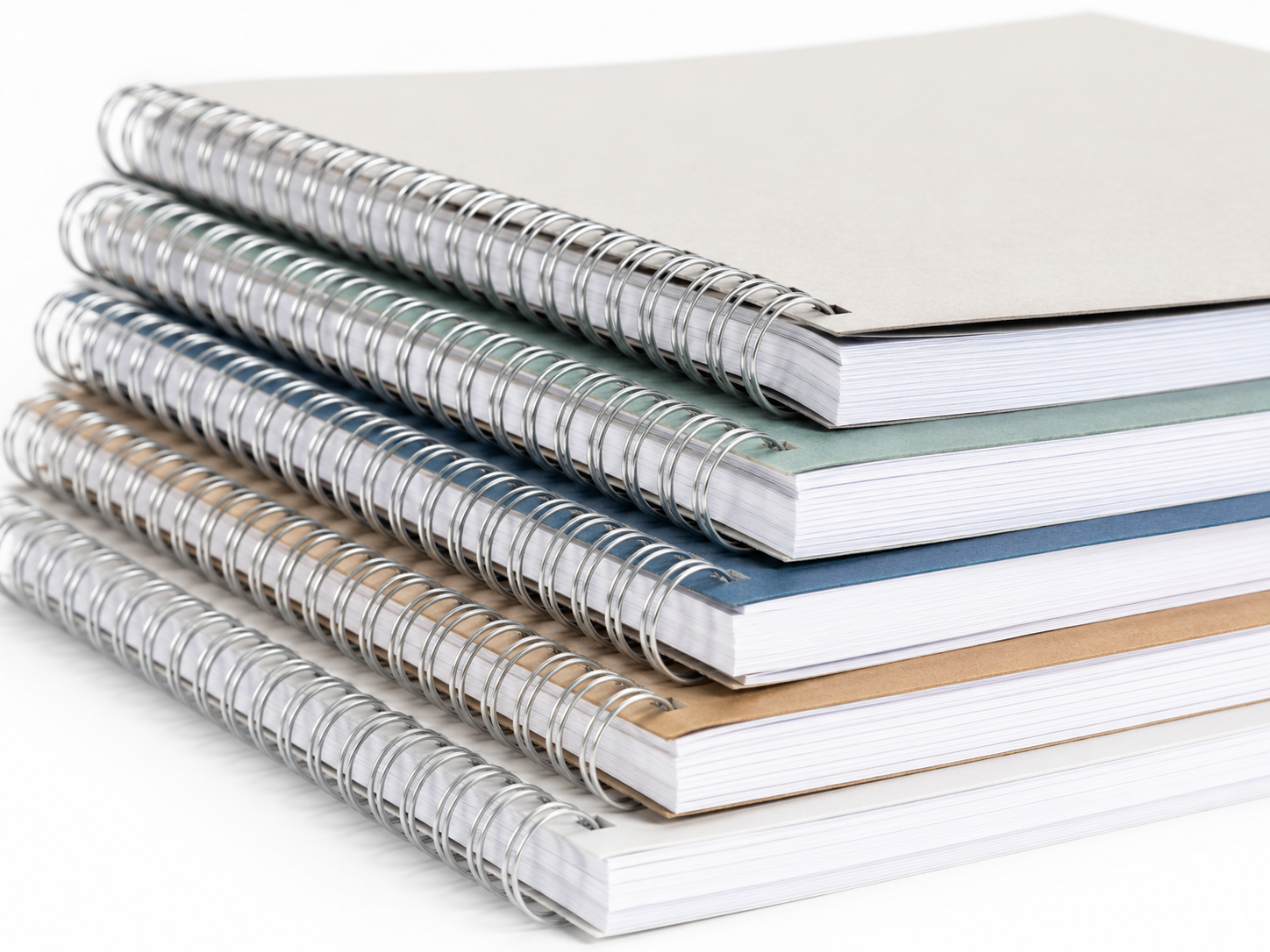
Wire O uses punched pages held together with a wire spine. Instead of creating a glued book spine, it creates a document that opens more easily and flips more naturally during use.
Why people choose Wire O
Wire O is usually chosen for practicality. It is easier to turn pages, easier to keep open on a desk, and often better suited to documents that get used repeatedly.
That makes it a strong fit for:
- training manuals
- spec books
- practical presentation books
- internal reference documents
- manuals that need regular handling
If the document will be reviewed page by page, carried into meetings, or used during active work, Wire O often has the usability edge. You can compare more binding options for manuals and spec books if you are still deciding.
What Wire O is best at
Wire O tends to work best when:
- the document needs to open easily
- people will flip back and forth often
- desk use matters
- the document needs better day to day usability than a glued spine offers
A quick comparison of the core feel:
| Feature | Wire O |
|---|---|
| Look | Practical and professional |
| Spine | Wire loop binding |
| Best for | Working documents and repeated handling |
| Lay flat use | Strong |
Perfect Bound vs Wire O at a glance
This is the core difference: Perfect Bound is usually chosen for how it looks, while Wire O is often chosen for how it works in day to day use.
Quick side by side comparison
| Factor | Perfect Bound | Wire O |
|---|---|---|
| Appearance | More polished and book like | More functional and practical |
| Ease of use | Good for reading and presentation | Better for frequent page turning |
| Lay flat performance | Limited | Strong |
| Durability in active use | Good for normal handling | Often better for repeated hands on use |
| Page count suitability | Often strong for thicker documents | Strong for manuals and practical documents |
| Presentation value | Higher for client facing pieces | Strong, but less “book like” |
| Revision friendliness | Lower | Often easier for working style documents |
Which one usually wins?
There is no universal winner. It depends on the job.
Choose Perfect Bound when the document needs to feel polished, complete, and presentation ready.
Choose Wire O when the document needs to open easily, stay usable on a desk, and handle more frequent reference.
If you are stuck between the two, this is exactly the kind of job where it helps to request a binding quote with the page count, quantity, and intended use.
Which binding is better for spec books?
For spec books, the best binding depends on how the document will be used after it is printed. Some sets are mainly for review and presentation. Others are handled by project teams, marked up at desks, and opened repeatedly during coordination.
When Wire O is often better for spec books
Wire O usually has the usability advantage when the spec book needs to be opened often and reviewed section by section. It flips more easily, sits better on a desk, and feels more practical during active use.
That matters when the document is being used by:
- estimators reviewing multiple sections
- project managers comparing notes
- coordinators working through requirements
- site teams who need the book open while referencing plans
If your job includes plans and project manuals together, it makes sense to look at architectural drawing and spec book printing alongside binding options for manuals and spec books.
When Perfect Bound is often better for spec books
Perfect Bound is often stronger when the spec book needs to feel polished, formal, and presentation ready. It suits copies that are meant for client review, submissions, proposals, or office shelf storage.
It can be a strong fit when:
- the document is client facing
- the spine presentation matters
- the set is meant to look more finished than functional
- frequent lay flat use is not the main priority
Practical decision guide for spec books
| Spec book priority | Better fit |
|---|---|
| Easy page flipping during review | Wire O |
| Lay flat desk use | Wire O |
| Cleaner presentation look | Perfect Bound |
| Shelf friendly spine | Perfect Bound |
| Project team handling | Wire O |
| Final presentation copy | Perfect Bound |
For many construction related jobs, the real question is not “which looks better?” but “which will be easier to use once the project starts?”
Which binding is better for manuals and training documents?
Manuals and training documents are often used differently from spec books. Some are hands on, opened constantly, and marked up. Others are designed to look polished and stay organised in a library or onboarding package.
When Wire O makes more sense
Wire O is often better for manuals that need to stay open while someone works through them. That makes it useful for:
- training books
- operating guides
- onboarding manuals
- workshop materials
- internal process documents
The biggest benefit is usability. People can flip through sections more comfortably, and the document often feels easier to handle during actual work.
When Perfect Bound makes more sense
Perfect Bound is often better when the manual is meant to feel more polished and permanent. It is a strong option for:
- client manuals
- premium training materials
- leave behind guides
- final report style documents
- polished internal handbooks
If the document is part of a presentation package or needs a more refined finish, Perfect Bound usually has the visual advantage.
If artwork or setup still needs work
Binding only looks right when the file is set up properly. If margins, cover layout, or page setup still need work, it helps to get print design support before sending the job to print.
Which binding is better for presentations and client facing documents?
This is where perception matters more.
If the document is being handed to a client, included in a pitch, or used as a leave behind piece, the finish changes how the work is perceived. The binding is not just functional. It becomes part of the presentation.
When Perfect Bound has the advantage
Perfect Bound usually feels more polished for:
- sales presentations
- proposal documents
- corporate reports
- client facing leave behind materials
It looks more like a finished publication, which can help the piece feel more complete and intentional.
When Wire O still makes sense for presentations
Wire O can still be the better option when the presentation is hands on and the reader needs to flip through it actively. For example:
- training presentations
- workshop decks
- review documents used around a table
- project presentations that need constant page turning
Presentation choice at a glance
| Presentation goal | Better fit |
|---|---|
| Premium, polished feel | Perfect Bound |
| Active review and easy flipping | Wire O |
| Leave behind document | Perfect Bound |
| Working presentation deck | Wire O |
If the content itself still needs cleanup before choosing the finish, print design support can help make sure the document is production ready before you decide on binding.
What affects the best binding choice?
The best binding choice usually comes down to how the document will actually be used after printing. Appearance matters, but so do page count, desk use, durability, and turnaround.
1. Page count
Thicker documents often push the decision harder because the binding has to support more pages without becoming awkward to handle.
In general:
- Perfect Bound often suits thicker documents that need a clean, finished spine
- Wire O often suits manuals and working documents that still need to open easily
2. Whether the document needs to lie flat
This is one of the clearest decision points.
If the document needs to stay open on a desk while someone reads, writes, or compares sections, Wire O usually has the usability edge.
If the document is mainly read front to back or handed over as a polished package, Perfect Bound may be the stronger fit.
3. How the document will be used
A client facing proposal, a training manual, and a working spec book may all have the same page count, but they do not need the same finish.
Use matters more than many buyers expect:
| Main use case | Binding that often fits better |
|---|---|
| Client presentation | Perfect Bound |
| Working spec book | Wire O |
| Training manual | Wire O |
| Corporate report | Perfect Bound |
| Leave behind booklet | Perfect Bound |
| Hands on reference manual | Wire O |
4. Turnaround timing
If timing is tight, it helps to ask early which finish is the most practical for your page count and quantity. Some jobs are straightforward. Others depend on setup, cover requirements, and finishing details.
5. Budget and quantity
Budget is never just about the binding itself. It is affected by quantity, page count, cover setup, and the type of document you are producing. That is why a quick review before quoting usually saves time.
6. Artwork and file setup
Binding only works well when the file is set up properly. If margins, page order, cover layout, or bleeds are off, even the right binding style will not save the final result.
If the file needs adjustment first, use print design support before sending it to print.
If you want a broader view of binding options for manuals and spec books, the binding page is the best hub.
Need help choosing the right binding option in Hamilton or Burlington?
If you are comparing Perfect Bound and Wire O for spec books, manuals, presentations, or construction documents, the fastest way to make the right choice is to start with how the document will be used.
Print Factory Ink can help you narrow the finish based on page count, use case, file setup, and presentation goals. That applies whether you are printing:
- spec books
- training manuals
- proposal documents
- presentations
- construction related document sets
If your project also includes plans and printed project documents, see architectural drawing and spec book printing. For the broader service list, visit our services. And if you already know the project details, help choosing the right binding style is the best next step.
Promotional bridge: looking for Cerlox binding?
If you are comparing multiple binding styles, Cerlox may still come up in the decision. But for many modern manuals, spec books, and client facing documents, Perfect Bound and Wire O often give a better result depending on whether you need a cleaner presentation finish or easier day to day usability.
If you want to compare all available binding options for manuals and spec books in one place, start there first.
FAQ: Perfect Bound vs Wire O Binding
What is the difference between Perfect Bound and Wire O binding?
Perfect Bound uses a glued spine and gives documents a clean, book style look. Wire O uses punched pages with a wire spine, making documents easier to flip through and better for lay flat use.
Which binding is better for spec books?
Wire O is often better for spec books that need frequent handling, desk use, and easy page turning. Perfect Bound is often better for presentation copies or client facing sets that need a more polished finish.
Is Wire O binding better for manuals?
It often is when the manual will be used actively, opened often, and referenced page by page. For hands on manuals and training documents, Wire O usually has the usability advantage.
Does Perfect Bound look more professional?
For many client facing documents, yes. Perfect Bound often looks more polished and more like a finished publication, which can make it a strong choice for proposals, reports, and presentation copies.
Which binding option lays flat when open?
Wire O is the stronger option when lay flat performance matters. That makes it a practical choice for manuals, spec books, and other documents that need to stay open on a desk.
What binding is best for presentations?
It depends on the type of presentation. Perfect Bound is often better for premium leave behind materials and polished reports. Wire O is often better for working presentation decks that need easy page flipping.
Do you offer binding services in Hamilton and Burlington?
Yes. Print Factory Ink helps businesses in Hamilton and Burlington with binding for spec books, manuals, presentations, and construction related documents.